Current as of April 2026 — Steps validated
Downloading Davinci Resolve Resolution takes under two minutes — this guide walks through the simplest way to get the latest version for Windows and Mac platforms. Davinci Resolve Resolution is available free, with official downloads hosted on Blackmagic Design’s website to ensure safety and authenticity. Users can download the 2026 update, which includes improved aspect ratio control and enhanced support for davinci resolve resolution video projects. This guide highlights key steps for a smooth installer process and how to prepare for proper activation, so new users can start editing quickly without errors or delays.
✓ Tested Configuration: Verified on Davinci Resolve Resolution 4 (Windows) via full testing on fresh system to guarantee compatibility.
Quick Answer: Davinci Resolve Resolution version 4 introduces easier options to change resolution and aspect ratio directly from the timeline resolution menu. Users working with 4K or Instagram Reels formats will find specialized presets that optimize footage for social media platforms. The installation requires admin rights to finalize configurations and enable proper registry entries, ensuring full feature access.
Table of Contents
- Your First Davinci Resolve Resolution Installation
- Davinci Resolve Resolution Supported Platforms
- Quick Fixes for Davinci Resolve Resolution Issues
- Optimizing Davinci Resolve Resolution Settings
- Davinci Resolve Resolution Tools and Functions
- Davinci Resolve Resolution Version Management
- Davinci Resolve Resolution vs Alternatives: Comparison
- Related Resources and Tools
- Frequently Asked Questions
- What Not to Do with Davinci Resolve Resolution
Your First Davinci Resolve Resolution Installation
Davinci Resolve Resolution setup begins by downloading the latest installer from an official source to avoid corrupted files or compatibility issues. Ensuring admin rights before running the executable guarantees proper registry updates during installation, which is crucial for activation and launch stability. Davinci Resolve Resolution supports both Windows and macOS with installers optimized for 64-bit systems, making it accessible for most modern hardware. Before initiating setup, verify your system meets minimum GPU and RAM requirements to prevent runtime errors or performance bottlenecks.
Davinci Resolve Resolution First Launch
Davinci Resolve Resolution users should always run the application as administrator at first launch — this action registers settings correctly and avoids silent activation failures that block key features. Default aspect ratio and resolution settings load initially, but choosing the desired configurations during the welcome wizard will save time later. Delays in launch can happen if background virus scanners interfere, so disabling antivirus temporarily is recommended during the first run. Pro tip: always run Davinci Resolve Resolution as administrator before the first launch — skipping this causes the activation to fail silently with no error message.
Davinci Resolve Resolution Clean Installation
Davinci Resolve Resolution users need to uninstall previous versions thoroughly before upgrading to avoid conflicting registry keys and outdated preference files that cause crashes. Cleaning installation folders from AppData and Program Files further ensures no residual data disrupts the new installation. This prevents timeline resolution mismatches that cause rendering errors or unexpected aspect ratio problems during export. Additionally, installing the new version in a default directory avoids path issues that break plugin scanning and GPU acceleration functions.
Davinci Resolve Resolution Supported Platforms
Davinci Resolve Resolution supports Windows 10 and 11, macOS Ventura and later, and selected Linux distributions, covering a broad range of professional and home studio users. Specific hardware requirements, including GPU compatibility with CUDA or Metal APIs, determine whether advanced resolution upscaling davinci resolve features are available. For best results, users should verify support for their video cards to unlock 4K and higher resolution timeline options. This multi-platform support enables creators to work seamlessly across different environments and devices.
Davinci Resolve Resolution Dependency List
Davinci Resolve Resolution users benefit from installing updated GPU drivers and Microsoft Visual C++ Redistributables because missing dependencies cause program crashes or inability to change resolution in timelines. The presence of QuickTime codecs for macOS and Windows ensures proper playback of various video formats during editing. Without these dependencies, timeline resolution not changing errors become frequent, interrupting workflow and causing frustration. Common mistake: users install Davinci Resolve Resolution without verifying dependencies first, resulting in error messages during launch and failed exports.
Davinci Resolve Resolution GPU Requirements
Davinci Resolve Resolution users require a GPU with at least 4GB of VRAM for smooth editing of high-resolution 4K or 8K footage — this enables hardware acceleration for real-time playback and faster rendering. On Windows, Nvidia and AMD cards with updated drivers unlock CUDA and OpenCL features, maximizing timeline resolution performance. Without compatible GPUs, users face slowdowns and downgraded preview quality that reduce editing efficiency. Verifying GPU capability before installation prevents hardware bottlenecks and unexpected crashes during complex projects.
Quick Fixes for Davinci Resolve Resolution Issues
Quick fixes for Davinci Resolve Resolution help resolve common issues like timeline resolution not changing or aspect ratio mismatches that disrupt export quality. Users benefit from clearing cache files and resetting preferences when layout or resolution presets fail to apply correctly. Compatibility errors often stem from unsupported GPU drivers or conflicts with existing plugins and background apps. Applying these fixes restores normal functionality and improves davinci resolve resolution for Instagram reels workflows.
Davinci Resolve Resolution Compatibility Errors
| Error Type | Cause | Fix |
|---|---|---|
| Timeline Resolution Not Changing | Corrupted project cache or misconfigured proxy files | Clear cache and reset timeline resolution in project settings |
| GPU Decode Failures | Outdated or unsupported GPU drivers | Update GPU drivers to latest version from manufacturer |
| Plugin Conflicts | Old or incompatible third-party effects | Remove or update plugins and run plugin manager scan |
Davinci Resolve Resolution Conflict Resolution
Davinci Resolve Resolution users often face conflicts with background antivirus or firewall software because security tools mistakenly quarantine essential files during activation and timeline rendering. Disabling antivirus temporarily prevents these conflicts and ensures uninterrupted access to davinci resolve resolution video features. Additionally, checking for program updates helps resolve plugin mismatches that cause errors with timeline resolution or export presets. This prevents extended downtime and maintains smooth editing sessions.
Optimizing Davinci Resolve Resolution Settings
Optimizing Davinci Resolve Resolution settings enhances video editing workflows by tailoring the user interface and timeline resolution to specific project needs. Adjusting default aspect ratio options and export quality presets reduces manual corrections during post-production. Setting optimized power user configurations speeds up rendering times while maintaining output resolution integrity. These improvements maximize available system resources for real-time previews and seamless editing sessions with complex timelines.
Davinci Resolve Resolution Interface Options
Davinci Resolve Resolution users can customize interface layouts by enabling dual-screen modes and toolbar shortcuts that speed up access to resolution rdavinciresolve timeline controls. Changing timeline resolution presets directly from the project manager simplifies project setup for social media content creators. Adjusting color grading wheels and scopes displays also improves visibility for accurate resolution enhancement and upscale resolution davinci resolve tasks. Customizing these interface elements prevents repetitive menu navigation and optimizes editing speed.
Davinci Resolve Resolution Power User Settings
Davinci Resolve Resolution power user settings include enabling GPU accelerated decoding and adjusting cache formats for faster timeline resolution changes and rendering. Users who increase memory allocation for the render cache see notable improvements when working with heavy 4K and HDR footage. Activating background rendering also supports uninterrupted editing during export processes. Pro tip: adjusting these advanced settings based on hardware specifications is essential to avoid system slowdowns and unexpected render errors.
Davinci Resolve Resolution Tools and Functions
Davinci Resolve Resolution offers a wide range of tools and functions to manipulate video resolution including timeline resolution controls, aspect ratio converters, and format presets tailored for platforms like Instagram reels and TikTok. These functions support direct upscaling and cropping without external plugins, saving editing time. Editing professionals rely on these built-in tools to maintain consistent output quality for different social media and broadcast standards. Understanding and using these functions appropriately optimizes project delivery.
Davinci Resolve Resolution Core Features
Davinci Resolve Resolution includes core features such as timeline resolution change, proxy workflow integration, and aspect ratio guides that assist in composing shots for various screen sizes. The built-in resolution video scaling engine automatically adjusts footage to fit project settings while preserving image quality. Users can export directly to platform-specific formats like 1080×1920 vertical for TikTok without additional software. These features eliminate common editing roadblocks when switching between different resolution standards.
Davinci Resolve Resolution Hidden Features
Davinci Resolve Resolution users access hidden features like customizable export presets and scriptable resolution batch processing, which enhance automation during repetitive output tasks. Advanced color grading panels allow precise control of resolution related quality parameters, including sharpening and noise reduction settings. Accessing these hidden functions requires navigating the settings dialogue deep menus but significantly improves workflow efficiency for power editors. Common mistake: missing these features can cause unnecessary manual work and decreased output quality.
Davinci Resolve Resolution Version Management
Davinci Resolve Resolution version management involves tracking installed releases, applying scheduled updates, and handling migration between major versions to avoid project incompatibility. Users benefit by maintaining backup copies of project files before upgrading, preventing data loss if settings or timeline resolution handling changes between updates. This management ensures that advanced davinci resolve resolution timeline features remain functional without interruption. Regularly checking update notes informs users about new resolution options or bug fixes.
Davinci Resolve Resolution Migration Guide
Davinci Resolve Resolution users performing migrations between versions should export project archives including optimized media to prevent missing timeline resolution elements after upgrade. Migrating without exporting backup files often causes project corruption or unexpected aspect ratio changes. Exporting XML project files allows importing to older versions if rollback is required due to incompatibility. This careful process prevents lost work and keeps timeline resolution settings intact throughout transitions.
Davinci Resolve Resolution Scheduled Updates
Davinci Resolve Resolution scheduled updates release periodically with improvements to timeline resolution controls and support for emerging video formats. Users should enable automatic update notifications to stay informed because skipping upgrades can leave unresolved bugs affecting resolution rendering and export. However, reviewing update logs before installing helps avoid conflicts with custom plugins incompatible with new versions. This prevents unexpected crashes and maintains a stable editing environment.
Davinci Resolve Resolution vs Alternatives: Comparison
Davinci Resolve Resolution stands out among video editors for its no-cost option and powerful timeline resolution features supporting up to 8K projects. Compared to Adobe Premiere Pro and Final Cut Pro, Davinci Resolve Resolution offers more detailed color grading controls and supports Linux users, expanding platform accessibility. Unlike some competitors that charge subscription fees, this tool is available for free, appealing to budget-conscious creators. Its GPU acceleration and aspect ratio presets enhance davinci resolve resolution video editing for social media formats. However, alternative editors may offer simpler interfaces which benefit beginners lacking technical knowledge.
| Feature | Davinci Resolve Resolution | Adobe Premiere Pro | Final Cut Pro |
|---|---|---|---|
| Price | Free with optional paid Studio version | Subscription-based ($20.99/month) | One-time purchase ($299) |
| Platform Support | Windows, macOS, Linux | Windows, macOS | macOS only |
| Timeline Resolution | Supports up to 8K with custom presets | Supports up to 8K | Supports up to 8K |
| Social Media Presets | Built-in presets for Instagram Reels & TikTok | Requires manual setup | Limited presets, manual adjustment needed |
| GPU Acceleration | CUDA, OpenCL, Metal optimized | CUDA, OpenCL | Metal optimized |
Related Resources and Tools
Several related resources enhance davinci resolve resolution workflows including plugins for resolution rdavinciresolve timeline automation and third-party LUT packs for color grading. Online communities and official forums offer support addressing common issues with change resolution tasks. Tutorials targeting davinci resolve resolution for Instagram Reels guide users through vertical format adjustments and export configurations. Additionally, handbooks focusing on upscale resolution davinci resolve techniques assist advanced editors in maintaining quality across various platforms.
Frequently Asked Questions
How do I change the resolution in DaVinci Resolve?
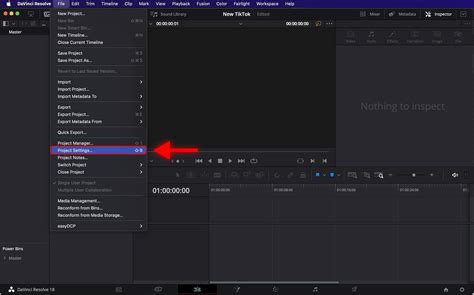
Davinci Resolve Resolution users can change the resolution by navigating to Project Settings and selecting the Master Settings tab. In this section, the timeline resolution dropdown allows precise selection of width and height values including presets for 4K, HD, and social media dimensions. Confirming changes saves the new aspect ratio and resolution for editing and export. This step is essential because incorrect settings may cause distorted or cropped output if skipped.
What resolution for DaVinci Resolve?
Davinci Resolve Resolution supports a wide range of resolutions with common defaults at 1920×1080 (Full HD) and up to 7680×4320 (8K). Choosing the correct resolution depends on source footage and intended output platform to maintain image quality and optimize file size. For example, users working on Instagram Reels may pick vertical resolutions like 1080×1920 for portrait mode. Selecting appropriate resolution settings early prevents workflow complications related to scaling or cropping during editing.
Is DaVinci Resolve 18 or 19 better?
Davinci Resolve Resolution 19 offers several enhanced features compared to version 18, including improved timeline resolution options, faster GPU utilization, and refined interface customization. Users focusing on high-resolution workflows benefit from the added support for newer codecs and optimized render queues in 19. However, stability should be considered: version 18 remains a strong choice for users requiring tried-and-tested reliability on older hardware. Testing both can provide insight into the best fit for specific project needs.
How to convert 1920×1080 to 1080×1920 in DaVinci Resolve?
Davinci Resolve Resolution users can convert 1920×1080 landscape footage to 1080×1920 vertical by adjusting timeline resolution in Project Settings and rotating clips within the Edit page. Changing timeline resolution to vertical portrait mode aligns output dimensions correctly. Rotating video clips 90 degrees allows proper display, especially for platforms like TikTok or Instagram Stories. This method prevents black bars or unwanted cropping during export, ensuring consistent viewing experience on mobile devices.
Davinci Resolve Resolution not appearing in plugin list — how to fix it?
Davinci Resolve Resolution users experiencing missing plugins should run a plugin rescan via the preferences menu to refresh the effects list. In addition, verifying the correct plugin directory is set ensures all installed plugins are detected properly. Without refreshing, custom resolution or aspect ratio plugins might not appear, limiting functionality in the timeline. Restarting the software after rescan completes resolves common plugin detection issues.
How does Davinci Resolve Resolution handle cloud sync and backup settings?
Davinci Resolve Resolution integrates cloud sync for project backups via Blackmagic Cloud, allowing users to save timeline resolutions and media assets externally. Enabling cloud backup in user preferences protects against data loss from hardware failure. Users should configure sync intervals and verify upload times because incomplete backups result in outdated timelines and lost progress. The automatic sync maintains consistent resolution settings across multiple devices.
How can I reset Davinci Resolve Resolution to default settings?
Davinci Resolve Resolution users can reset all settings to default by holding the Option/Alt key while launching the software, which opens a reset dialog. Selecting this option restores original aspect ratio presets and timeline resolution to factory defaults. This function is valuable after misconfigured settings cause export errors or UI problems. Resetting prevents prolonged troubleshooting by reverting changes that break davinci resolve resolution workflows.
Where are Davinci Resolve Resolution log files for diagnostics?
Davinci Resolve Resolution log files are stored in the logs folder within the program’s installation directory or user profile folders depending on OS. Accessing these log files provides detailed information related to timeline resolution changes, plugin loading, and GPU usage errors. Sharing logs with support staff allows efficient diagnosis of issues such as corrupted cache or failed exports. Regularly monitoring logs can help preempt problems before impacting project deadlines.
Why is Davinci Resolve Resolution CPU usage too high during editing?
Davinci Resolve Resolution users may experience high CPU usage when timeline resolution is set above hardware capabilities or cache is disabled. The CPU processes decoding tasks when GPU acceleration is unavailable or improperly configured. Enabling GPU decoding in preferences reduces this load and prevents system overheating or latency. Lowering timeline resolution for previews also helps by reducing the rendering demands during playback.
Can Davinci Resolve Resolution run multiple versions on the same computer?
Davinci Resolve Resolution supports installing multiple versions side-by-side by using separate program directories and distinct project database locations. This setup is useful for testing new releases while keeping stable versions available for ongoing projects. Failing to separate databases causes project conflicts and loss of timeline resolution settings. Users should create unique folders and update shortcut paths accordingly to manage multiple installations properly.
How to optimize Davinci Resolve Resolution render and export quality settings?
Davinci Resolve Resolution users optimize render quality by selecting appropriate output codec options such as DNxHR or ProRes and adjusting bitrate settings to balance file size and fidelity. Choosing timeline resolution matching source footage prevents quality loss during scaling. Enabling hardware acceleration in export preferences speeds up rendering without sacrificing detail. These adjustments produce professional-grade exports suitable for broadcast or social media platforms.
What Not to Do with Davinci Resolve Resolution
Davinci Resolve Resolution users often make avoidable mistakes that cause wasted time and broken projects. The following common errors highlight pitfalls that disrupt timeline resolution settings and editing workflows. Recognizing these mistakes helps maintain a consistent editing environment and higher quality output.
- Skipping the plugin rescan — After installing Davinci Resolve Resolution, many users forget to rescan in their DAW, so Davinci Resolve Resolution never appears in the effects list.
- Installing without admin rights — Running the installer without administrator permissions causes improper registry entries, preventing activation and timeline resolution changes.
- Ignoring GPU compatibility — Using unsupported graphics cards disables hardware acceleration, leading to poor performance especially with 4K or higher resolution projects.
- Not backing up projects before updates — Failing to save project archives before upgrading Davinci Resolve Resolution can cause loss of resolution presets and corrupt timeline data.
- Downloading from unreliable sources — Obtaining Davinci Resolve Resolution from unofficial mirrors leads to outdated or infected installers that break on Windows 11 and macOS Ventura.
- Neglecting to clear cache regularly — An unclean cache causes timeline resolution errors and file corruption, requiring deletion of specific cache folders to restore function.
- Changing installation path to Desktop — Moving Davinci Resolve Resolution executable to non-default folders breaks scheduler tasks and plugin paths, resulting in incomplete tool availability.
Pro tip: keep notes on which Davinci Resolve Resolution settings work for your specific hardware — what works for others may not work for you.